Advancing Clinical Science: The PCSAS Blog
- Accreditation Updates for Clinical Psychology Programs (4)
- Building Trust in Research Practices (1)
- Clinical Psychology Education Structure (1)
- Clinical Psychology Training (4)
- Community Engagement in Psychology Research (1)
- Diversity, Equity, and Inclusion in Psychology Training (2)
- Ethics in Psychological Research (2)
- Financial Challenges in Psychology Training (1)
- Graduate Student Well-Being (3)
- Mental Health and Therapy Insights (3)
- Mentorship and Career Guidance (4)
- Mentorship and Communication (3)
- Navigating Graduate School (5)
- Newsletter (101)
- Open Science in Psychology (1)
- Predoctoral Internship Preparation (3)
- Professional Development for Therapists (6)
- Psychology Graduate Student Resources (8)
- Psychology Services (1)
- Psychology Training Reform and Policy (1)
- Sleep Health and Academic Life (1)
- Stress Management for Students (2)
- Uncategorized (4)
- Work-Life Balance in Academia (2)
Child Development (5) Clinical Psychology (40) Clinical Science (25) Clinical Science Training (7) Clinical Training (7) COVID-19 (5) Diversity in Psychology (7) Early Childhood (4) Evidence-Based Practice (6) Gabriela Memba (4) Graduate Education (6) Graduate Student Resources (7) Graduate Training (9) Higher Education (6) Internship Preparation (5) Mental Health (14) Mental Health Disparities (8) PCSAS (11) PCSAS Accreditation (5) Professional Development (11) Professional Standards in Psychology (4) Psychological Research (10) Psychological Science (4) Psychology Education (11) Psychology Training (11) Psychology Training Programs (5) Social Justice (5) Social Justice in Psychology (5) UCLA (4) Work-Life Balance (6)
-
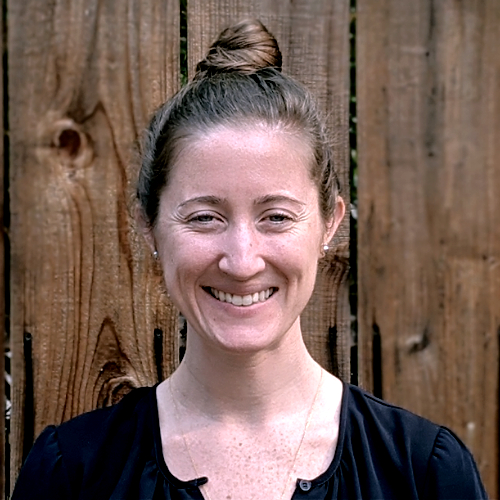
Student Spotlight: Alayna Park
by Molly Bowdring, M.S., University of Pittsburgh The PCSAS Newsletter will regularly feature “Spotlights,” which aim to highlight students and early career researchers from different PCSAS programs and the excellent work they are doing. The present article focuses on Dr. Alayna Park, a recent graduate from the UCLA Clinical Psychology Doctoral Program. Dr. Park has just started a faculty position at Palo Alto University. Driven by her goal to leverage clinical science to enhance human well-being and functioning, under the mentorship…
-
How the Cost of Internship Contributes to Inequities in Clinical Psychology
by Brett Schneider, University of Wisconsin-Madison There is a glaring and alarming lack of diversity within the clinical psychology community. While most academic fields suffer from a lack of diversity, the clinical internship training model poses a unique difficulty for attracting and retaining diverse students. I passionately believe in the importance of the internship process in producing quality clinical scientists and clinicians. However, the current internship model constricts the already narrow bottleneck of who obtains the best clinical training, contributing to…
-
Culturally Competent Psychotherapy: How We Can Do Better
by Amanda R. Arulpragasam, Emory University The recent murders of George Floyd, Ahmaud Arbery, Breonna Taylor, and Rayshard Brooks highlight the continued racism and discrimination experienced by Black Americans. Racist events have been linked to increased mental health risks and poor clinical course (Loeb et al., 2018; Sibrava et al., 2019). Incidents of police brutality and race-based killings re-expose this population to racial-traumas and reinforce the fear that they are not safe in their own country. In fact, police killings of…
-
Antiracism Requires Accomplices
by Effua E. Sosoo, University of North Carolina at Chapel Hill, Donte L. Bernard, Medical University of South Carolina, and Carrington C. Merritt, University of North Carolina at Chapel Hill “The opposite of ‘racist’ isn’t ‘not racist.’ It is ‘anti-racist’” (Kendi, 2019, p. 9) The recent trifecta of shooting deaths that claimed the lives of Ahmaud Arbery, Breonna Taylor, and George Floyd has many non-Black individuals and organizations scrambling to firmly establish themselves in the anti-racist camp. Tweets, emails, and Facebook posts ending with…
-
Do Clinical Science Programs Need GRE Scores in Admissions this Year, or Ever?
by Isabelle Lanser & Alexandra S. Tanner, University of California, Los Angeles As the field of psychology and the clinical science community in particular examine the ways our field has historically been complicit in the discrimination and oppression of marginalized groups, it is important to re-examine the structure of our current training programs to identify opportunities for positive change. Decades of research have highlighted the importance of integrating social justice frameworks and sociocultural context into psychology training (e.g., Burnes &…
-
Assessing the Integration of Sociocultural Considerations in Clinical Science Programs
by Isabelle Lanser & Alexandra S. Tanner, University of California, Los AngelesAs the field of psychology and the clinical science community in particular examine the ways our field has historically been complicit in the discrimination and oppression of marginalized groups, it is important to re-examine the structure of our current training programs to identify opportunities for positive change. Decades of research have highlighted the importance of integrating social justice frameworks and sociocultural context into psychology training (e.g., Burnes & Singh,…
-
Racism in Clinical Science and Academia Today and Ways to Enact Change
by Yehsong Kim, University of Southern California There is a social movement afoot to root out anti-Black racism in our society. Racism—the belief that someone is less than because of the color of their skin and the subsequent oppression, exclusion, limitation, or discrimination of non-dominant racial groups that occurs—has been a part of the history of America since its colonization. Our country was built on the colonization of Indigenous people, using Black people as property, and laws and policies that…
-

Student Perspectives on Culturally Informed Case Formulation
by Jennifer Pearlstein & Alice Hua, University of California, Berkeley Given recent mobilization in response to police killings of Black people, we as clinical scientists are reminded again of the extensive evidence documenting the detrimental effects of racism on mental health (Carter et al., 2019; Paradies et al., 2015; Pieterse et al., 2012). We are trained in principles of cultural humility (Asnaani & Hofmann, 2012), which we believe requires knowledge and acknowledgment of racism and other identity-related stress and trauma contributing…
-
The Minority Student Experience and a Call for Latinx Solidaridad with BLM
by Eve Rosenfeld, University at Buffalo Across the board, psychology graduate students of color face significant barriers compared to White students. For example, students of color rarely see themselves represented in their mentors, supervisors, and institutional leadership. This lack of representation makes it difficult for students of color to identify with professional role models and can reduce confidence in their studies and career prospects. Additionally, being a student of color in an overwhelmingly White student body and professional field contributes…
-
What Do We Mean When We Identify Race As A Risk Factor In Psychological Research?
by Rddhi Moodliar, University of California, Los Angeles In psychological research, associations between demographic variables and outcome variables are often assessed. Some common demographic variables include age, gender identity, race, and ethnicity. If statistically significant, these variables are often identified as risk factors for the outcome variable. The Substance Abuse and Mental Health Services Administration defines risk factors as “characteristics at the biological, psychological, family, community, or cultural level that precede and are associated with a higher likelihood of negative…
-
Complicit No More: Stumbling Toward Allyship
by David A. Sbarra, Ph.D., University of Arizona & Past President, Academy of Psychological Clinical Science A lightning strike set the mountains behind our home in Tucson on fire. Far enough to be out of harm’s way, the red embers were distinctly visible on our family’s evening walk. As the sun set, our kids asked about a possible protest tomorrow. What kinds of signs should we make? What should we say? I had already thought about an answer, so I…
-

I Got An Invite! Now What?
by Molly Bowdring, University of Pittsburgh Now that the internship application season has come to a close, students who have gone through the process are eager to share strategies aimed at helping you to minimize your burden and maximize your likelihood of success. Specifically, we highlight approaches for navigating one aspect of the application process: preparing for interviews. Scheduling: After submitting applications, consider creating a calendar with all sites to which you have applied, tentative interview dates for each site, and your…
-
Taking on Teletherapy: Experiences and Recommendations from a PCSAS Training Clinic Adapting to COVID-19
by Matthew V. Elliott, Suzanne M. Shdo, & Esther Howe, UC Berkeley Acknowledgement: The authors would like to acknowledge Nancy H. Liu, PhD, Nina F. Dronkers, PhD, Nadine M. Tang, LCSW, and Robert W. Levenson, PhD, for their contributions to this article and the clinic. With over 2 million confirmed cases worldwide and most of the U.S. population currently under a “stay at home” order, the COVID-19 pandemic has caused major disruptions in health care services, including mental health care. Psychological distress…
-
Why PCSAS?
A WORD FROM PCSAS LEADERSHIP “The PCSAS Newsletter offers a place where clinical scientists of today and tomorrow can share important thoughts on PCSAS and the field of psychological clinical science.” Alan Kraut, Executive Director, PCSAS “PCSAS represents a commitment by its member programs to train a new generation of clinical scientists who will have the skills, knowledge, confidence, and courage to take on and make real progress addressing our most pressing and challenging mental health issues.” Bob Levenson, President, PCSAS…
-

Improving the Mentor-Mentee Relationship
by Atina Manvelian, The Academy of Psychological Clinical Science Student Engagement Committee Beginning a 5- to 6-year doctoral program in clinical psychology is a massive endeavor that undoubtedly calls into question one’s professional capabilities and identity in the field. Can I continuously analyze data and publish in top-tier scientific journals? Will I make a good therapist? How can I imagine myself in a role that is rarely occupied by someone from my background? Am I good enough? During this vulnerable period of…
-

The Pressures for Work From Home Productivity During COVID-19
by Allison Stumper and Julia Case, Temple University For the past few weeks, we’ve all been experiencing unprecedented changes to our schedules, structures, daily lives, and functioning as our world faces significant trauma in the times of COVID-19. As many adjust to new restrictions prohibiting us from leaving our homes, the boundary between our work and our lives has become blurred, leading many to experience perceived pressure to be productive when “working from home.” In our quest to discover what our new lives will…
-
Interview with Thomas M. Olino: On Psychology and the PCSAS Philosophy
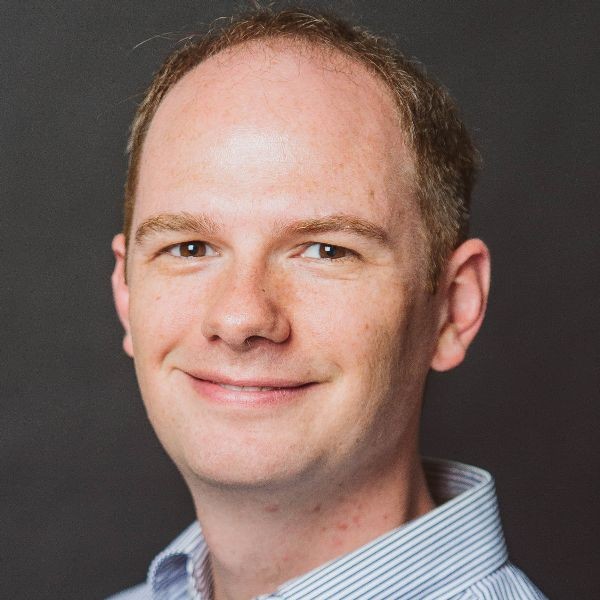
by Julia Case, Temple University Thomas Olino, Ph.D., is currently an Associate Professor of Psychology at Temple University, where he runs the Child and Adolescent Development of Emotion, Personality, and Psychopathology (CADEPP) Laboratory. Dr. Olino graciously agreed to be interviewed for this pioneer PCSAS Newsletter, after being selected based on the stellar quality of his multi-methodological research, his commitment to and belief in PCSAS, and his role as my primary research mentor at Temple University. Interviewer: Can you provide a little bit of…
-

Self-Care, Occupational Changes, and Social Connectedness During the Pandemic
by Julia S. Yarrington, UCLA In the midst of the COVID-19 global pandemic, our world and lives have changed drastically and rapidly. News sources are constantly updating the public on pandemic-related food shortages, statistics on the spread of the virus, the latest mortality rates, and changes in legislature mandating states or counties to remain home. In light of new legislation, many people have found themselves working from home and leaving the house only to purchase essential items. For most people, this novel…
-
A Message from PCSAS President, Bob Levenson
The inaugural PCSAS student newsletter is a bellwether event. It clearly underscores the central role that graduate students have played in the evolution of the clinical science movement and their critical leadership role now and in the future. Although PCSAS’ long-term goals have been to harness existing science and foster new scientific discoveries to reduce the burden of mental illness, our proximal focus has always been on graduate education. This is not by accident. It reflects a deeply held belief in…
-
PCSAS By the Numbers
by Alan G. Kraut, PCSAS Executive Director Here’s all you need to know about PCSAS: 43 10 53 98 4 90 28 15 13 73 97 2 …
-

Licensure and PCSAS: Commonalities and Differences Across States
by Stephanie L. Haft, UC Berkeley After graduate school, internship, and postdoc, there is still one more step to complete in order to independently work with clients as a psychologist: licensure. To be licensed, all states have requirements that are typically under the jurisdiction of state licensing boards. The state uses these licensing requirements to establish standards and protect its citizens from unethical or untrained psychologists. Although each state has its own licensing requirements and processes, an education requirement is a common component.…
-
Academic Twitter: Connecting, Communicating, and Collaborating with Your Scientific Colleagues
by Kathryn Coniglio, Rutgers University Why Join Academic Twitter? Imagine a social media platform where, instead of being inundated by pictures of your friends on vacation, your feed is curated with scientists in your field sharing newly published papers. Enter: Academic Twitter. For those who may be unfamiliar, Academic Twitter is a community within the standard Twitter platform (i.e., same app) where users design their profiles and interact in a way that is more similar to LinkedIn than Instagram. Academic Twitter is a…
-

Raising a Family While Attending Graduate School
by Brett Boeh Bergmann, University of Illinois at Urbana- Champaign Living up to being a clinical scientist involves juggling many hats. Many of us find our time stretched between research and clinical work with the hope that the two might inform one another to live up to the evidenced-based principles lauded by our training programs. To complicate things further, as graduate students progress in their programs, the added pressure of completing dissertations and matching at a well-suited internship site can…