Advancing Clinical Science: The PCSAS Blog
- Accreditation Updates for Clinical Psychology Programs (4)
- Building Trust in Research Practices (1)
- Clinical Psychology Education Structure (1)
- Clinical Psychology Training (4)
- Community Engagement in Psychology Research (1)
- Diversity, Equity, and Inclusion in Psychology Training (2)
- Ethics in Psychological Research (2)
- Financial Challenges in Psychology Training (1)
- Graduate Student Well-Being (3)
- Mental Health and Therapy Insights (3)
- Mentorship and Career Guidance (4)
- Mentorship and Communication (3)
- Navigating Graduate School (5)
- Newsletter (101)
- Open Science in Psychology (1)
- Predoctoral Internship Preparation (3)
- Professional Development for Therapists (6)
- Psychology Graduate Student Resources (8)
- Psychology Services (1)
- Psychology Training Reform and Policy (1)
- Sleep Health and Academic Life (1)
- Stress Management for Students (2)
- Uncategorized (6)
- Work-Life Balance in Academia (2)
Child Development (5) Clinical Psychology (40) Clinical Science (25) Clinical Science Training (7) Clinical Training (7) COVID-19 (5) Diversity in Psychology (7) Early Childhood (4) Evidence-Based Practice (6) Gabriela Memba (4) Graduate Education (6) Graduate Student Resources (7) Graduate Training (9) Higher Education (6) Internship Preparation (5) Mental Health (14) Mental Health Disparities (8) PCSAS (11) PCSAS Accreditation (5) Professional Development (11) Professional Standards in Psychology (4) Psychological Research (10) Psychological Science (4) Psychology Education (11) Psychology Training (11) Psychology Training Programs (5) Social Justice (5) Social Justice in Psychology (5) UCLA (4) Work-Life Balance (6)
-
Time to Change: Financial Challenges and Alternatives to the Clinical Internship System
By Matt Matoni, M.A., Temple University The clinical internship has long been fundamental to clinical psychology training programs. It provides a unique opportunity to directly apply what we have learned over the past years and gain new training from clinical experts in a chosen area. Moreover, the supervised training and service provision is critical to accreditation and licensure processes. The importance of the internship is clear, particularly for those pursuing a clinical career. However, in this opinion piece I argue that…
-

Treatment Considerations for Clinicians Working with Clients During the Transition to Parenthood
By Shannon Savell, M.A., University of Virginia For many, the experience of the transition to parenthood feels starkly different from traditional media portrayal or colloquially how it is described as a time of immense joy and purpose and deepened love between partners. This is why it may be shocking to some that despite being a highly anticipated milestone for many couples, previous research suggests that nearly 70% of couples experience a sharp decline in romantic satisfaction after the birth of the…
-
Evidence-Based Interventions for Youth of Color: State of the Current Literature
By Anamiguel Pomales Ramos, M.A., Michigan State University As psychosocial interventions are implemented and disseminated in the community, there have been growing concerns about the perceived fit and generalizability of evidence-based practices to racial-ethnic minoritized groups. Interventions for children and adolescents have been predominantly developed and tested with non-Latine, white samples living in well-resourced communities. The underrepresentation of people of color in the development and evaluation of interventions results in a knowledge gap of important and unique factors and mechanisms of…
-

Substance Use and Clinically Relevant Decision-Making
By Caroline Boyd-Rogers, M.A., University of Iowa The landscape of substance use comorbidity has been changing rapidly, particularly with the widespread legalization of cannabis in many states across the United States (SAMHSA, 2021). Even in older adult populations, rates of cannabis use alone, and binge drinking and cannabis co-use, significantly increased from 2015 to 2019 (Kepner et al., 2023). These changes have important implications for research and clinical care with individuals who engage in substance use. Special consideration should be given to the…
-
PCSAS Student Town Hall Held on 1/26/24
Joanne Davila, President of the PCSAS Board of Directors, and Joe Steinmetz, PCSAS Executive Director, met with students from several PCSAS programs to answer questions posed by the students. A link to a recording of the Town Hall can be found here.
-

Antipsychotic Medications in Youth: A Critical Review of Existing Literature
By Linnea Sepe-Forrest, Indiana University Antipsychotic medications have revolutionized the pediatric psychiatry field, placating children with severe disruptive behavior disorders and ameliorating psychosis symptoms that can torture developing children (Jensen et al., 2007; Scotto Rosato et al., 2012). These drugs can improve extreme difficulties in functioning by altering neurochemical levels, particularly for the dopamine neurotransmitter (Solmi et al., 2017). The most commonly used antipsychotic medications primarily function by reducing dopamine levels in regions that are thought to contribute to…
-
Overcoming Challenges in Preregistration to Improve Statistical Inferences in Clinical Science
By Jeremy Eberle, M.A., University of Virginia Preregistration of hypotheses and analysis plans on a public, time-stamped registry (e.g., Open Science Framework; OSF) before observing research outcomes promotes transparency and distinguishes planned from unplanned analyses, thereby guarding against selective reporting, improving validity of inferences for planned analyses, and enabling calibration of confidence for unplanned analyses (Nosek et al., 2018; Nosek et al., 2019). Further, preregistration can benefit individual researchers by enabling credit for planned analyses (e.g., in-principle acceptance of Registered…
-

The Early Faculty Experience in Clinical Science: An interview with Dr. Craig Rodriguez-Seijas and Dr. Leah Richmond-Rakerd
By Margo Menkes, M.S., University of Michigan I interviewed our department’s two newest faculty members about their perspectives on clinical science training, the transition from trainee to early faculty, and more. I have highlighted key points from these interviews to provide current trainees with advice, insight into this career transition period, and considerations for our work as clinical scientists. Dr. Rodriguez-Seijas (CRS) received his PhD in clinical psychology from Stony Brook University in 2019 followed by a predoctoral internship and a…
-

How to Prepare for Clinical Internship Early
By Alexander Williams, M.S., Northwestern University Preparing internship applications is among the most time consuming and effortful tasks of a clinical trainee. My intent here is to provide clinical graduate students early in their graduate years (years 1-4; at least a year out from the application cycle) with general internship principles and tips that I have not come across elsewhere. (1) Be mindful of internship early in your graduate career. There is an opportunity to view the final step of internship…
-

What to Know as a Clinician Working with Eating Disorders for the First Time: A Trainee Primer
By Samantha Dashineau, M.A., Purdue University Many clinical psychology programs do not explicitly train graduate student clinicians to work with certain populations, such as those diagnosed with eating disorders. As a result, trainees in these programs are often tasked with finding practicum placements to receive experience treating these populations. There are a variety of considerations that early career therapists must take when beginning to work with clients with eating disorders that (in my experience) are not taught at a student’s home…
-
Barriers to and Recommendations for Increasing Diversity in Psychological Science
By Bingjie Tong, M.A.1, Madeline Palermo, M.A.1, Leslie E. Sawyer, M.A.1, & Fallon Goodman, Ph.D.2. 1 University of South Florida; 2 George Washington University The “leaky pipeline” phenomenon has existed for decades in academia. Students from marginalized backgrounds, especially those from racial/ethnic minorities and lower socioeconomic backgrounds, are more likely to drop out at each stage of the educational process compared to those from majority backgrounds (Barr et al., 2008). One downstream consequence of this “leaky pipeline” is homogenous academic and professional fields…
-

Normative Misperception in Clinical Science
By Caroline Boyd-Rogers, M.A., University of Iowa The value of peer support and learning is well-known in clinical science, particularly in group-therapy contexts (American Psychological Association, 2019). However, the role of peers and peer perceptions may be relevant to assess in individual therapy settings as well. Research has demonstrated that peer perceptions significantly relate to one’s attitudes, judgments and decision-making processes, behaviors, and even to symptom severity (e.g., Lewis et al., 2010; 2014; Perkins et al., 2005; Zelin et al., 2015).…
-

BDSM 101 for Clinical Scientists
by Caroline Boyd-Rogers University of Iowa Bondage/discipline, dominance/submission, sadism/masochism (BDSM) is commonly associated with a sexual preference for consensually giving or taking control during a sexual encounter. Though commonly seen as a “niche” sexual interest, 76% of a large sample of therapists reported working with at least one client with a history of engaging in BDSM. However, only about half of those providers perceived themselves to be competent in this area (Kelsey et al., 2012). Thus, it is important for clinical scientists to…
-

On Planning the Clinical Science Summit
by Cindy Yee-Bradbury, Ph.D., Past-President, Academy of Psychological Clinical Science (APCS) In 2019, I began to consider priorities that would focus my efforts as the newly-elected president of the Academy of Psychological Clinical Science (APCS). One immediate goal was to reduce barriers to a clinical science education, which we began to address with efforts from many Academy members including most notably, Christine Larson. Subsequent conversations with colleagues often brought us back to the conclusion that…
-

An APPIC Perspective
by Shona Vas, Ph.D., ABPP & Amy Silberbogen, Ph.D., ABPP, Association of Psychology Postdoctoral and Internship Centers (APPIC) Drs. Shona Vas and Amy Silberbogen appreciated the opportunity to represent the Association of Psychology Postdoctoral and Internship Centers (APPIC) at the Clinical Science Training Summit and to have a seat at the table when discussing critical training issues that align with APPIC’s mission: “To facilitate access, foster development, and support implementation of quality education and training in Health…
-
Since the Summit: Future Directions
by Tom Rodebaugh, Ph.D., University of North Carolina, Chapel Hill Since the Summit, the Planning Committee has been working on how to move the work of the Summit out into the world. (See Cindy Yee-Bradbury’s description of the background of the Summit for more details about the planning committee.) I am happy to provide my own perspective on this work and where it is headed. One of my key…
-

Equity and Justice in Clinical Science: A Student Perspective
by Jaisal Merchant, M.A., Washington University in St. Louis As a clinical science graduate student engaged in efforts to advance diversity, equity, inclusion, and justice (DEIJ) in our training programs, I was honored to be part of the introductory talk on Equity and Justice in Clinical Science at the APCS Summit alongside incredible researchers Joanne Davila and Stacy Frazier. Our introductory talk on the topic aimed to highlight the inherent compatibility of a justice-centered approach…
-
Reflections from a Department Chair
by Annette Stanton, Ph.D., Council of Graduate Departments of Psychology (COGDOP) When I was invited to join the planning committee for the Academy of Psychological Clinical Science Summit on Clinical Science Training as a representative from the Council of Graduate Departments of Psychology (COGDOP), I readily accepted. My doctoral training was in clinical psychology, and I have the honor of chairing the Department of Psychology at UCLA, which is home to a highly respected psychological clinical…
-
PCSAS and the Summit
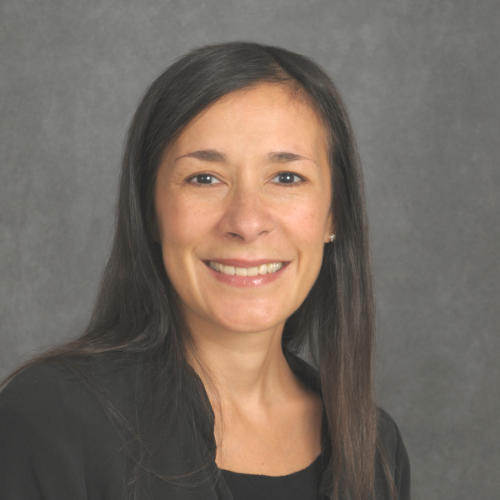
by Joanne Davila, Ph.D., President, Psychological Clinical Science Accreditation System (PCSAS) Board of Directors On May 4-5, 2023, the Academy of Psychological Clinical Science held a Summit on Clinical Science Training at the Eric P. Newman Education Center at Washington University in St. Louis. The purpose of the Summit was to start the process of questioning and re-envisioning clinical science training for the future. The Summit was organized around four interrelated themes: …
-
PCSAS Newsletter Series: Surviving and Thriving in Clinical Science Training Article #2: Accessing and Acting from Wise Mind
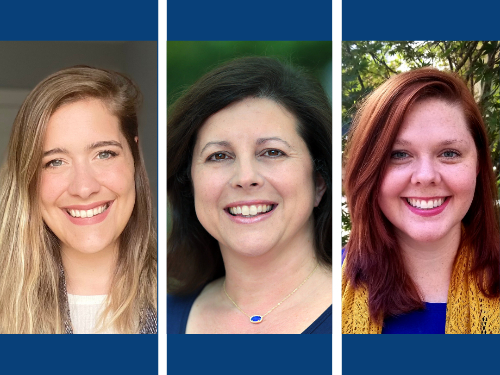
by Samantha Hellberg, M.A.*, Jennifer Kirby, Ph.D.*, & Tiffany Hopkins, Ph.D.***University of North Carolina at Chapel Hill**University of North Carolina, School of Medicine Welcome back to Surviving and Thriving in Clinical Science Training! We are glad that you have stepped away from your endless task list and are considering ways to support your well-being as a clinical science trainee. New to this series? Check out our first article here to learn more about it. In short, we hope to offer skills…
-

Marginalized Populations Deserve Our Very Best: Measurement Invariance as the Foundation of Mental Health Disparities Research
by Riley McDanal, M.A., Stony Brook University Our ability to understand and reduce mental health problems among marginalized groups rests, in part, on our ability to accurately measure disparities in mental health problems across groups with different levels of privilege. If our measures are inadequate, then so will be our results, conclusions, and applications. When we use a common, well-established measure to assess group differences — for example, the Patient Health Questionnaire (PHQ-9) for depression severity — we tend to assume that the…
-

Psychoeducation Embedded into Core Curriculum for College Students: One Strategy to Help Close College Student Mental Healthcare Treatment Gaps
by Shannon Savell, M.A., University of Virginia Many clinical psychology graduate students serve the college students at their home institutions in their training clinics. In my opinion, it is essential that we are also critically thinking and contributing to structural and systemic efforts to help close the mental health treatment gaps for college students seeking mental healthcare. Even prior to the pandemic, it was well known that college students at highly selective institutions experience a significant amount of stress (Krieg, 2013) and depressive…
-
Tangible Steps for Clinical Students to Navigate Conflicting Demands and the Advisor-advisee Relationship
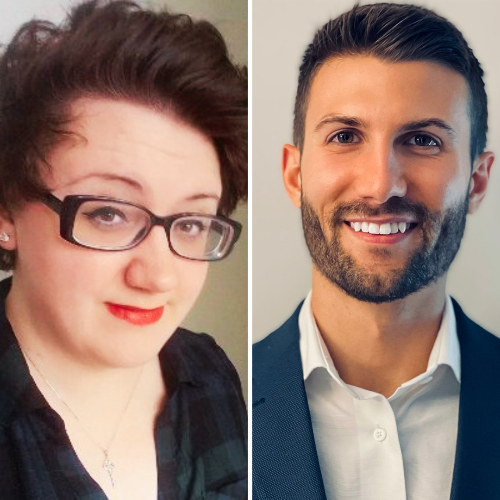
by Shannon E. Grogans, M.S. & Nicholas P. Marsh, M.S., University of Maryland Among the most important factors for determining a great doctoral program experience is having a successful relationship with your mentor (Gee et al., 2022; Sverdlick et al., 2018). Most of us likely enter the application process hoping for this, but unfortunately for some students, even with supportive mentoring, conflicting demands can strain your relationship with your mentor and dampen the graduate school experience. Regardless of how your current relationship…
-

Impacts and Implications of the COVID-19 pandemic on Early Childhood Socioemotional Development
by Gretchen Perhamus M.A., University at Buffalo A growing literature has highlighted the effects of the COVID-19 pandemic on academic, social, and emotional development of children and adolescents. From a life course theory perspective, COVID-19 disruptions in early childhood (i.e., younger than age 8) may be particularly impactful and have both immediate and longstanding effects with important clinical implications (Benner & Mistry, 2020; Elder, 1998). Specifically, COVID-19 disruptions to the school environment, parenting stress, and broader contextual factors directly interact with a…
-
From Mentee to Mentor: Tips on How to Effectively Mentor Undergraduate Students as a Graduate Student
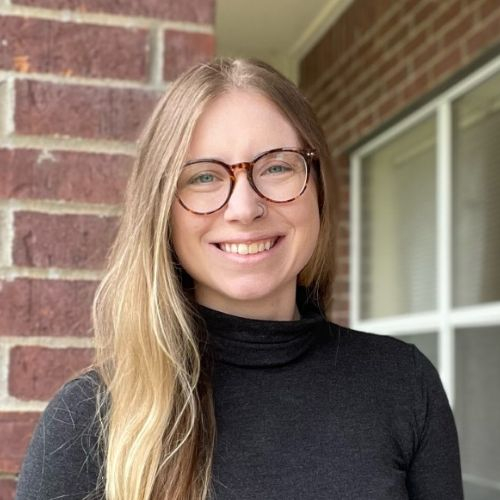
by Anna Maralit, B.A., University of Missouri Graduate students often engage in informal mentoring of undergraduate students in their roles as graduate teaching and research assistants, however, little attention has been given to understanding and improving mentoring relationships between graduate students and undergraduate students (Brown, 2016). As we are often close in age to undergraduates who may be in our labs and classrooms, graduate students are viewed as accessible peer role models that can provide advice on scholarly activities, graduate school application…